Monday, November 22, 2021

Hosting Thanksgiving At Your New Home? Here Are Last-Minute Tips to Get Ready

Owning and buying your first home is the perfect reason to host Thanksgiving dinner. And since it's next week, chances are you have already made a checklist and started getting ready for the long-awaited holiday. But if you haven’t or still need a few reminders to make your festivities even a little less overwhelming, we’ve rounded them up shortly but sweetly so you’ll have plenty of time to prepare not only your home but yourself so you can prioritize what really matters.


 

Cleaning and getting rid of any clutter around the common areas in your house, especially in the living room, entryway, bathrooms, kitchen, and dining room, will help get your home ready. This is especially true and critical in your kitchen where most of the preparation will take place. Address any usual hotspots where things tend to accumulate, such as drawers, cupboards, and even on the countertops. If you don't have time to clean the entire home, at least clean your bathroom and kitchen. Also, empty and clean the trash cans and line them up with fresh bags. Tidying up your home is a tedious part of any holiday celebration, but making the effort will surely be worth it.
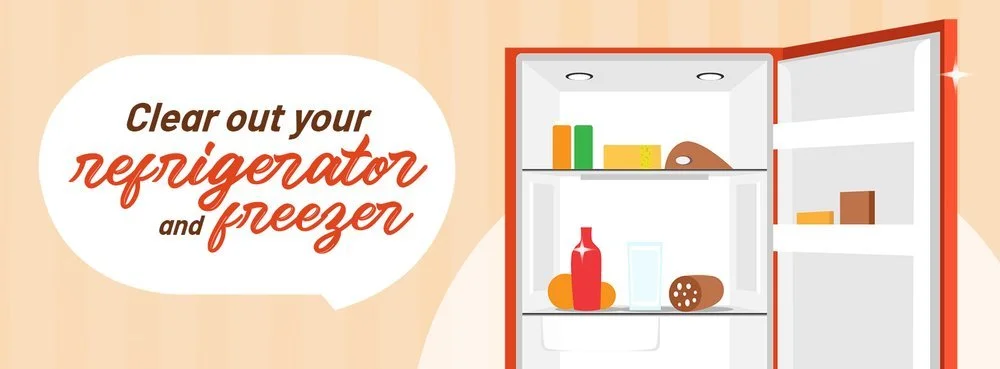
 

If you're the kind of Thanksgiving cook who starts preparing and cooking certain foods ahead of time, including stuffings, stocks and sauces, pie crusts, and other desserts, you’ll need more room in your fridge to stock these things. So clean your refrigerator and freezer and start making space now. Sort through those leftovers and toss out anything that is expired or too old to eat, and plan to make use of any good ingredients you have on hand. Also, take stock of condiments that may need refilling. Having plenty of space in your fridge will make your holiday meal prep easier and even perfect to store your delicious leftovers.

 

Decluttering your kitchen and cleaning out your fridge will allow you to see what ingredients you need for your Thanksgiving prep. Finalize your list and purchase them a few days ahead of time. This way, you'll have plenty of time to run back to the store in case there’s something that you inevitably forgot. There’s nothing worse than making a last-minute trip to the local grocery store on Thanksgiving Day, only to find out that it’s closed. 


It's critical you make sure all appliances are in working condition before the holiday. Clean and test them out, especially your oven, dishwasher, and even small kitchen appliances that will help make your life easier during meal prep. If you’re a first-time homeowner who hasn't used your oven yet after you settle into your new home, this is your chance to check and double-check to make sure your oven works.

 

Make sure you'll have enough dishes, glassware, cutlery, and even serving dishes, bowls, and platters for all your guests and holiday meals. Remember that they don’t have to match unless you’re aiming for a sort of formal gathering. They’re perfect as long as they are clean and in decent condition. If you’re considering a more casual dining celebration, consider using paper plates. Also, check for things like tablecloths and other essentials so you’ll still have plenty of time to shop for any new pieces or replacements just in case. 

Likewise, since there’s a huge chance you’ll want to send your guests home with leftovers (and even keep some for yourself), don’t forget to stock up with enough plastic or takeout containers.


Taking care of the table decor the day (or even several days) before saves you a little bit of stress. Not only will you have one less thing to do and worry about on the big day, but it can also help you identify gaps in your tableware situation. Whether you opt to go all-out with some Pinterest-inspired arrangements, or just go for a simple but nice tablecloth, pretty napkins, and DIY place cards, and other seasonal centerpieces, setting the table in advance will also give you ample time to shoot and take pictures before the busy day.


The ultimate tip: Enjoy!

This tip might be the simplest to do but also the easiest to forget. Throughout the course of the busy, loud, and messy day, always remember the point of Thanksgiving. Even if you might not be able to pull it off perfectly, the most important thing is to give thanks and truly enjoy the spirit of the holiday with the people you get to celebrate it within your humble home.


from Blog - Pinnacle Real Estate Team https://pinnacleteamus.com/blog/2021/11/22/hosting-thanksgiving-at-your-new-home-here-are-last-minute-tips-to-get-ready
via Pinnacle Team

Friday, November 5, 2021

Home Buyers: Here are 5 Expert Tips To Ensure A Smooth Closing

As you approach closing, the pinnacle of your home buying journey, you'd want nothing to go wrong. But with many hurdles or complications that could get in the way before you finally hold your house keys, expect the process to be more stressful and overwhelming. 

With a real estate agent by your side, you’re at least assured that the closing will be streamlined and become more bearable. But still, you have to know what to expect and do some legwork to help make it go as smoothly as possible. Here are several things you can do to prevent potential problems and close the deal with fewer hiccups:


1. Read as much paperwork in advance.

Last-minute delays at real estate closings are often caused by problems with paperwork. 

You are making the biggest purchase of your life, so it's critical you understand every detail of your contracts. Get a head start on reviewing the paperwork as much as you can. Read every word carefully in the documents and emails being sent to you, and read everything again and again if needed. 

Doing so will give you ample time to make notes, ask questions, or address any misunderstandings in advance. This way, you won’t find yourself looking over the documents while everyone is sitting and watching. While there’s nothing wrong with taking your time during closing day, it might make you feel uncomfortable causing you to skip valuable details when signing.


2. Make sure your name is consistent throughout the documentation.

No alias, nicknames, or stage names are allowed when it comes to real estate transactions. 

You will be required to provide a government ID at closing. If your name on the ID doesn't match your paperwork, you will have to either get a new ID that matches the one on the paperwork or redo the paperwork to match the name on the ID. This might be the case if you recently got married or divorced and failed to update your driver’s license with the name change. Either way, just know that you will not be able to close your house on that day. 

To avoid this complication, make sure your state-issued ID has your current name on it and double-check your name’s spelling on the paperwork. Likewise, always share your full legal name with the lender, your real estate agent, and the title officer when carrying out the deal.


3. Always keep relevant parties informed.

The real estate deal doesn't just involve the buyer and the seller but also other relevant parties—the buyer’s agent, the seller’s agent, the lender, the title representative, and sometimes even a real estate attorney and an accountant.

Any changes that occur prior to closing, whether you’ve changed jobs, were furloughed, or you’ve made a deal with the seller about any last-minute repair, are important that your agent and lender are notified. Your paperwork must reflect any of these deals, which means you have to keep these relevant people in the know to protect yourself and avoid any delays at closing. 


4. Verify banking information and payment requirements.

Before sending money via wire transfer or a cashier's check, ask questions about payment requirements and verify that all the information needed for the transfer is correct. 

Aside from your down payment which you have to pay upfront at closing, you also have to cover other closing costs, which means a huge amount of money will be moved around. Aside from making sure that the information is correct, check that the amount needed for closing costs is correct. The title company representative or the attorney will provide you with the exact amount required and how it should be paid, such as by wiring the funds in advance of the appointment.

If the attorney is requesting a wire transfer, remember that those instructions will never be emailed. To avoid falling victim to wire fraud, be vigilant and call the attorney or your real estate agent first to verify the wiring instructions. You want to guarantee that the person contacting you about the transfer of funds is the verified person instead of a scam artist.


5. Don't hesitate to ask questions before and during closing.

If there are any words or terms you don't understand? Just ask.

No question is too big or too small, especially when it comes to the complicated world of real estate. Whether it’s your first or even third time buying a home, it’s easy to get scared and overwhelmed. To ease some of that anxiety, call the title company before the closing day and ask them to walk you through the transaction. Clarify any issue that’s been bothering you or anything that’s still unclear about the contract. Don’t forget to also prepare and ask your agent and title officer questions during the closing. All of these measures will help the process go smoothly during closing day.


from Blog - Pinnacle Real Estate Team https://pinnacleteamus.com/blog/2021/11/5/home-buyers-here-are-5-expert-tips-to-ensure-a-smooth-closing
via Pinnacle Team

Friday, October 29, 2021

10 Practical Tips for Buying Second Hand Furniture For Your Home

You just got the keys to your new home and can't wait to adorn your space with brand new furniture. That’s fantastic, especially if you already have specific items in mind or you’ve been eyeing a particular piece for such a long time. But if your budget is quite limited, especially after paying for closing and other costs associated with homeownership, buying everything brand new may not be the best option. Shopping for secondhand furniture is also a great way to furnish your home, and should be considered for a lot of reasons.

Aside from being an inexpensive alternative, it is also helpful to the environment. It keeps perfectly good and reusable furniture out of landfills, minimizing ecological footprint. It’s also a great choice if you’re a lover of one-of-a-kind, high-quality vintage pieces for a fraction of the price. And even perfect if you love DIY and think you could breathe new life into a piece of furniture by refinishing.

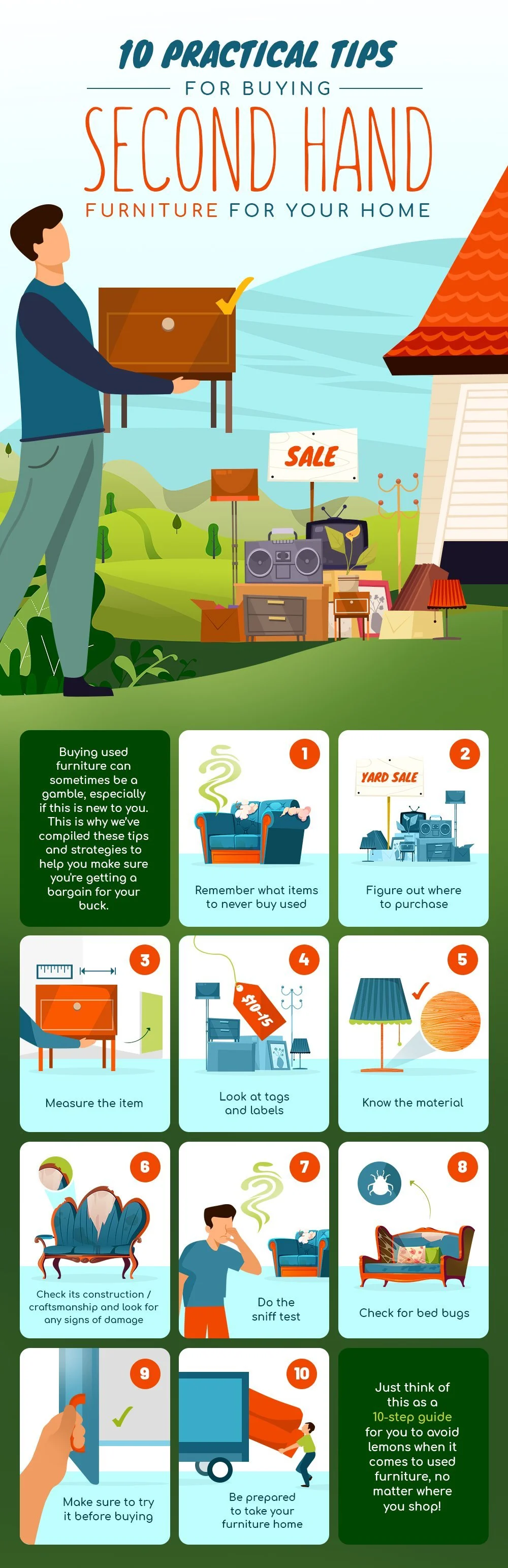
But of course, buying used furniture can sometimes be a gamble, especially if this is new to you. This is why we've compiled these tips and strategies to help you make sure you're getting a bargain for your buck. Just think of this as a 10-step guide for you to avoid lemons when it comes to used furniture, no matter where you shop!

Before checking for good places where you can score used furniture and figuring out what pieces best suit your home, you need to know that there are certain items you should never buy used. Instead of going through the hassle of checking such pieces, it's better to splurge and invest in something new. Here are just some of the items to avoid:

  • Used mattresses. These can be bad for your health as you don’t know how clean (or dirty) they are. There’s also no way to see all the dust mites, mold, bed bugs, and other health hazards that have already made their way into the fabric. Also, say no to secondhand crib mattresses for infants.

  • Heavily used upholstered furniture. Saggy pillows and lumpy sofas are uncomfortable to sit on. And while they can be replaced, it can cost a lot to have done it professionally and will cost more trouble than they’re worth.

  • Anything that smells. It can be difficult to get rid of bad smells, e.g. thirdhand smoke, and pet or urine odors can seep through many pieces of furniture, especially on upholstered items.

  • Anything that’s high-priced. When the price tag of an item does not reflect its condition, and it may cost more money and time to make repairs to, then simply skip such an item.


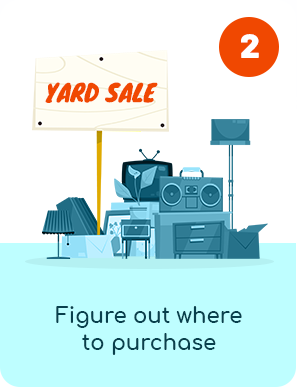
You've got plenty of choices when it comes to buying used furniture. The only thing needed from you is to explore all your options to get a better chance of getting something good that will fit your home and budget. Some of the places to look for include:

  • Thrift stores

  • Goodwill or Habitat Restore

  • Instagram or Facebook Marketplace

  • Apps like Craigslist, LetGo, Carousell, NextDoor, and OfferUp

  • Yard sales and estate sales

  • Consignment shops

  • Hotels and offices that are doing major renovations

  • Auction sites


Instead of just eyeballing, shop with the exact dimensions and measurements in mind—both for the piece of furniture you're looking to buy and for the specific spot in your home where you might want to put it. This is because you aren’t shopping with a furniture catalog where dimensions and descriptions are given upfront. So whether it’s a chair, a dresser, or a bookshelf you’re looking to get, measure the item as well as the area you’ve picked out for it accurately before buying. Also, don’t forget to choose a few other areas in your home where you might be able to put the piece so you’ve got a fallback just in case you find that the furniture is a little bigger in your preferred spot.


Getting the most bang for your buck is probably your main goal in buying second hand furniture. By checking tags and labels, you can avoid spending money on something that's not worth it or something that you can also buy inexpensively. You want to know where the piece came from to help determine its quality. If ever you encounter a brand you’re not familiar with, it’s better to do some quick research before making a purchase.


When you find a piece you like, make sure to inspect the material it's made from. For any furniture made from solid wood, it’s better to choose hardwoods that last much longer over softwoods, which are easy to chip or deface and will sag and warp over time. Furniture made of hardwood, like oak or maple, is often more durable and indicates more solid construction. Also, it’s easy to restore their shine with a little polish and effort.


Aside from the material alone, take a look at the construction of the piece. Look for dovetailed joints rather than pieces that are cobbled together since those are signs of good quality. Focus on the integrity of the piece rather than on blemishes or surface imperfections such as shallow scratches and chipped paint, which can easily be fixed. While you're at it, investigate any signs of mold, water damage, termite, or other insect infestations. 


Smelly furniture is definitely a deal-breaker, no matter how fantastic it would look at your place or how cheap you can get it. And while there are some smells you may be able to get out, other stenches can linger for too long or may even be difficult to remove, especially pet odors and smoke. So make sure you smell the piece before purchasing to save you the headache of removing the odors, which could take even more worth than you want to put in just to save a few dollars.


These pests can survive for many months even without feeding, so furniture can sit in any warehouse or facility for a long time and still have healthy bed bugs. Inspect cracks and corners for any dark spots, reddish streaks, old bug skins, or actual bugs. They can be tricky to spot, but once you notice any of those signs, make sure to skip the purchase. No matter how great of a deal it might seem, it's not worth the risk of bringing bed bugs into your home.


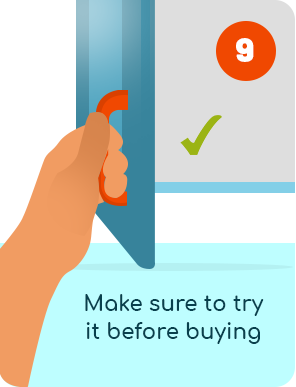
Because there's nothing worse than finding out that the piece you’ve come to love at the store doesn’t work after you bring it home, you have to test the item right then and there. A lot of used furniture is also sold as-is with no return policy, so there’s no way you can return it for any reason once you’ve purchased it. Just remember to ask about the store’s policies when it comes to testing out items at the store. And do it after you’ve already checked its quality and cleanliness.

Sit on a chair or couch for a few minutes to make sure it’s comfortable and holds your weight. For cabinets, dressers, and similar pieces, open all the drawers to make sure they easily slide in and out and the handles don’t fall apart after a few uses. For tables, lean or push on them from an angle to make sure they’re steady on their feet.


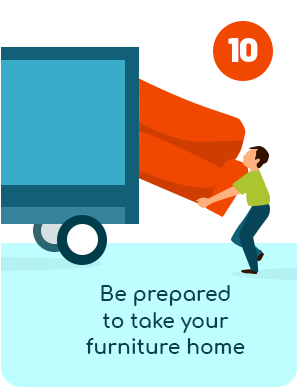
Not all sellers are willing or able to help you carry and deliver the secondhand items you purchased, which means it's critical you make a plan on how you’ll get it home. The good thing is that many stores will hold your merchandise for a few days to give you time to pick it up. If that’s the case, make sure your vehicle can handle the furniture piece you’re buying, and bring help in getting the item in your vehicle. If you prefer a rental especially if the item wouldn’t fit in any of our vehicles, just calculate the costs to make sure the total will still be way less than buying new.


from Blog - Pinnacle Real Estate Team https://pinnacleteamus.com/blog/2021/10/29/10-practical-tips-for-buying-second-hand-furniture-for-your-home
via Pinnacle Team

Wednesday, October 20, 2021

The Things You'll Love and Hate About Living on a Cul-de-sac

Once you've started your home buying journey, one term you might have come across during your home search is the type of street called “cul-de-sac.” If you didn’t know about this phrase before, one thing to note is that there are benefits as well as drawbacks to owning property on this type of street. Some buyers and homeowners may appreciate the attributes of a cul-de-sac, while others may find them frustrating. 

Let’s take a deeper look at some of the pros and cons of living on a cul-de-sac, which, in many circumstances, could highly depend on your point of view.

What is a “cul-de-sac”?

A cul-de-sac, which in French literally means “bottom of the sack,” is basically a dead-end street with a rounded end. Since there's no thoroughfare, cars must drive around the circular end of the street to exit.

Oftentimes, the term “cul-de-sac” and “dead-end street” are used interchangeably. And you’ve likely driven on both types of roads thinking that they’re all just dead-end streets. But the main point to remember is that while a cul-de-sac is a dead-end street, its aesthetic is much nicer and the exit is more refined. You just need to drive around the rounded road in one seamless action. A dead end is a street with no outlet and ends in a straight line, meaning there’s only one way in and one way out. To exit from a dead end, you’ll likely have to do a three-point turn on a random driveway.

The benefits: One of the major reasons people like living on a cul-de-sac is because there's less traffic on this type of street. Because unless you live in one of the houses on the block, the only reason you could be in there is if you’re visiting someone who lives on that street, or you’re lost.

Unlike on a conventional street where there are many cars, living on a cul-de-sac means you don’t have to deal with traffic noise, safety hazards, or even pollution. This feature makes it ideal for buyers who have children and pets, or for people who loathe living on a busy street where a lot of traffic passes by their front door.

The drawbacks: The bad side of not being a through road? It might not be easily accessible in an emergency and for other services. When it snows, main roads and heavily trafficked blocks get plowed first and quickly. Cul-de-sacs, on the other hand, are usually the last to have snow removal services. Homeowners might also have trouble getting other municipal services like garbage pickup, because the vehicles may have difficulty accessing and turning around the road, causing traffic congestion. Forgotten and disregarded service can be an issue since streets like these are small.

Depending on the size of the cul-de-sac, there might also be less parking available compared to a regular street. This could be an issue if someone on the block is having a party and has invited a large number of guests. It’s more likely for them to take up all available parking, and could even go as far as parking in front of a neighbor’s walkway. It is also during this kind of situation that delivery trucks and emergency services may have difficulty maneuvering when leaving the street.


The benefits: With fewer cars and less traffic, a cul-de-sac is a natural safe place for families with children. Children can play outside and ride their bicycles more freely, which are fantastic ways for them to be active and make friends in the neighborhood. Even pet owners who accidentally let their dogs or cats wander can relax knowing that there are fewer hazards around. Cars that are around are likely to be driving slowly since their destination is usually close by.

The drawbacks: For buyers who don't have children and are looking for a house where they can enjoy peace and quiet, a cul-de-sac may already be off the list. Not everyone loves to have their street turned into a playground, especially when children are left unattended. Baseballs, basketballs, footballs, and hockey pucks could go flying through the air and hit cars, mailboxes, windows, or houses, especially if the cul-de-sac is relatively small. Damage to property can cause tension or conflicts with neighbors and could cause stress if no one is willing to accept responsibility.


The benefits: Since houses on a cul-de-sac often face each other in a semi-circle or in closer proximity to one another, this allows for enhanced relationships among residents. Neighbors may see each other every day so it's easier to get to know one another. They also keep an eye on each other’s properties and kids, which helps prevent instances of crimes such as vandalism, burglary, or fire. Also, children get to be instant playmates. These things can foster a strong sense of community. This is why people who are naturally neighborly would surely love the communal feel inherent to a cul-de-sac. 

 The drawbacks: They say the only thing that will make you dislike living on a cul-de-sac is if you really hate your neighbors, which is quite true. Even if you enjoy the privacy of living on a cul-de-sac since it’s generally a tucked-away location, you may not like the constant surveillance of neighbors, even if everyday observances are naturally unavoidable. Or, you might really hate your neighbors, especially if they’re loud, or really nosy, or even inconsiderate about where they park. If these things make you uncomfortable, cul-de-sac life might not be for you.


from Blog - Pinnacle Real Estate Team https://pinnacleteamus.com/blog/2021/10/20/the-things-youll-love-and-hate-about-living-on-a-cul-de-sac
via Pinnacle Team

Friday, October 8, 2021

What is an iBuyer and The Pros and Cons of Selling Your Home to One

Once you're set to sell your home, you also need to decide which type of transaction works best for you. Generally, you have three options: you can hire a licensed real estate agent, go FSBO (“For Sale By Owner”) and sell sans agent, or work with an iBuyer.

If the last option has never crossed your mind before, chances are you have a long list of questions regarding what iBuyers are, how they work, and how they differ from the first two options, which are part of the traditional home sale process.

Don't worry. While we may not have all the answers for you, here we discuss the basics about iBuyers, and the pros and cons you should greatly consider before choosing this kind of transaction.


An iBuyer, which is short for “instant buyer,” is a real estate company that buys and sells homes through technology. Instant refers to the speed at which an iBuyer's algorithm calculates the AVM to make an offer on a home, which could take only minutes or days sight unseen.

To request an offer from an iBuyer, you need to submit basic photos and information about the property, including the address, age, square footage, and features, using the company’s website or app. The iBuyer estimates your home’s value and makes an offer. If you choose to accept the bid, the company will do an in-person assessment or evaluation and then provide you with a final offer.

When considering this option, it’s important to understand the advantages and disadvantages so you can determine if it’s best to use their service in your particular situation.


PROS

Unlike a traditional sale, selling your home to an iBuyer promises a speedy, simpler, and convenient process. It takes away the hassle of preparing your home for sale, thus you don't need to stress about staging your home or boosting your curb appeal. You also don’t need to have any showings and wait for potential buyers to send an offer. For some sellers, the possibility of skipping any disruption caused by preparing their home or making it available for showings can be a huge plus.

Likewise, iBuyers offer quick and flexible closing dates. You have the ability to close at your convenience or when it works best for you, meaning, you can close as quickly as 10 days, or as long as 90 days. 


Selling to an iBuyer may be the best route to take when:

  • You're relocating to a new city and need to sell your current home quickly.

  • You’ve recently inherited a property and don’t want to maintain it or turn it into a rental. 

  • If you have an investment property and you’re struggling to find a new tenant.

  • You need to tap into your home’s equity fast to help with your financial situation.


One of the biggest benefits of using an iBuyer is the assurance of an all-cash offer for your home. You don't have to worry about a buyer’s financing falling through. It’s also a huge help if you need the money as a down payment to purchase your next home.


When you choose the iBuyer route, there's a guarantee that your home will sell one way or another once they’ve given a final offer.


CONS

Be prepared for the possibility of getting a lower purchase price since the offer they provide is sometimes a little less than what the home might be worth. This is due to the fact that they take a significant risk in paying quickly with an all-cash offer and closing fast. It's the price to pay for the convenience and flexibility of selling your home. 

Likewise, if you’re in a hurry to move and can’t do the repairs yourself, the costs will be deducted from the price since the iBuyer will be the one to handle the repairs. This could take a huge bite out of your offer.


Although they've been steadily expanding, iBuyers are still not available in every market. So even if selling to one could be the best option for you, it’s possible that they aren’t active or operating in your area. It’s best to research your local housing market before deciding to sell your home to these companies.


Even if you live in an area where iBuyers operate, companies are selective on the type of homes they buy. Because unlike house flippers who mostly seek out distressed properties or those that need extensive repairs, iBuyers target homes that are already in good condition and only need minimal work. They can be picky so even higher-end homes, highly-customized homes, and most older homes may not qualify.

Keep in mind that after submitting a request together with information about your property, they have the option to deny buying your home. And once your home doesn't qualify, using an iBuyer won’t be an option.


When using the service of an iBuyer, you don't get to know the people who are going to be moving into your home. And since the sentimental value of one’s home can often influence the decision on whom to sell to, or if you’re the type who prefers to speak to actual potential buyers and know the next homeowner rather than just going through a website, the iBuying route may not be for you. In this case, using a real estate agent and doing a traditional sale is your best bet.


from Blog - Pinnacle Real Estate Team https://pinnacleteamus.com/blog/2021/10/8/what-is-an-ibuyer-and-the-pros-and-cons-of-selling-your-home-to-one
via Pinnacle Team
Tuesday, September 28, 2021

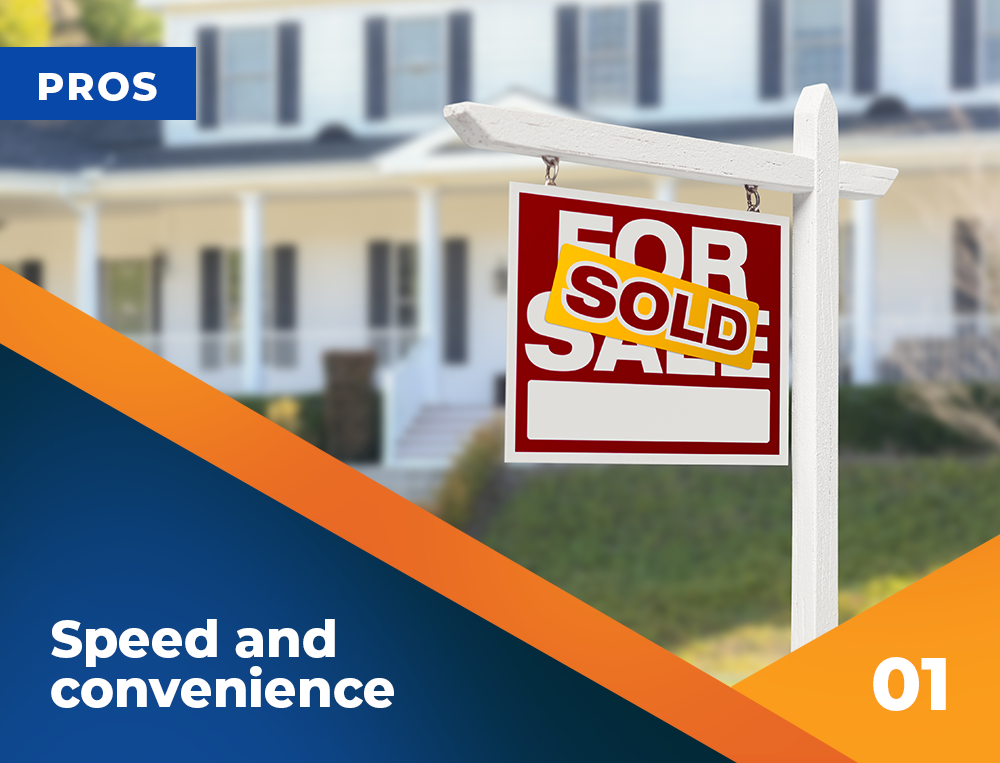
7 Critical Steps to Take After Your House Is Damaged by Storm

The damage a storm causes to your home can leave you feeling lost and devastated. Concerns about securing your family's safety, restoring your property, and getting your life back together can be completely overwhelming. And with destructive storms becoming more and more common, it pays to have a strategy to help you deal with the damage. 

This is why it's critical to know the important steps you need to take in the wake of a major storm. It can help you move along with the restoration process faster so you can return to normalcy as quickly as possible.


1. Prioritize safety above all else.

Whether your house sustained significant wind damage, was struck by lightning, or even got flooded, the aftermath of a storm can pose further serious dangers and injuries. The first thing you have to do is to make sure you and your loved ones are safe and unharmed. Don't take unnecessary risks inspecting your property and taking photos of the damage, as it can be done at a later, safer time. 

Be mindful of potentially hazardous situations such as downed power lines, jagged windows, caved-in roofing materials, flooding or standing water, collapsed walls, and even problems with a gas line. Also keep an eye out for broken glass, exposed nails, displaced screws, and other sharp objects that are also common from storm damage. Consider evacuating or arranging a temporary place for you and your family, especially if the roof of your property is unstable or part of the wall has collapsed.


2. Assess and document the damage.

Once you think it's safe enough to move around your home, it’s time to inspect the entire area and assess the damage. This can be a highly emotional process, seeing your precious home destroyed, but documenting the damage must be done before contacting your insurance company. This is so you can provide the necessary evidence for your insurance claim, particularly if your policy only covers certain types of damage.

Grab your camera or smartphone and start taking photos and capturing videos of any interior and exterior damage to the home. Since your house could have structural damage, always exercise caution during the inspection. To make sure your pictures are very detailed, take the time to go through each room and in all areas of your property (as long as it’s safe), taking note of both big and small issues, including any of the following:

  • Any holes or leaks in the roof; loose, missing, or broken shingles; dents on vents and gutters

  • Broken windows and doors

  • Basement flooding

  • Moisture damage

  • Fire damage

  • Exposed power lines

  • Damaged or broken appliances and furniture, primarily due to water damage

  • Loss or destruction of personal items, since most homeowner’s insurance policies include personal property coverage up to a scheduled limit.

It will also be helpful if you’ve taken photographs of your house and property before a storm hit. This way, you’ll be able to compare your photos of the damage with what it looked like before, and your insurance company won’t question whether or not you’re blaming the storm for pre-existing damage. So if you’re concerned about a storm that’s coming or that hasn’t hit yet, take photos of the normal state of your home so you’ll have them on hand if the worst occurs.


3. Contact your insurance agent/company.

Once you've taken photos of the damage your home incurred, call your insurance company or agent as soon as possible and explain your situation. Discuss the damage and provide the photos you took along with proper documentation. Your agent will be able to guide you through the next steps in making a claim by providing you with a claim number and a local list of emergency service providers in case you need it. 

Following this, the company will send out an adjuster to evaluate the extent of the damage so that payment for repairs can be issued. It’s critical that you’re around when the adjuster comes so you can go over all the issues with them, which will help them provide an accurate claim estimate. They’ll tell you what and how much of the damage will be covered once you’ve paid your plan’s deductible.

Just remember that most homeowner’s insurance policies won’t cover flood damage, so contact your flood insurance company if your home has flooded. If you don't have flood insurance, you might be stuck paying for the damage yourself.


4. Get in touch with your mortgage servicer.

Aside from your insurance company, you should also contact your mortgage servicer—the company you send your monthly mortgage payments to (it might not be your original mortgage lender), as soon as possible to talk about available mortgage relief options. 

If the disaster makes it difficult or even impossible to make your monthly house payments, make sure you talk with your mortgage servicer first to avoid being charged late fees, which could cause your credit score to fall. Ask if they could offer mortgage forbearance, which allows you to make partial payments or stop making your payments for an agreed-upon time. A forbearance usually lasts up to six months and can be extended up to another six months.


5. Look for federal disaster assistance.

The Federal Emergency Management Agency (FEMA) provides a variety of assistance to homeowners who were affected by storm damage. You can get help with temporary housing, repairs, meals for your family, and filing insurance claims. If your area was declared a storm disaster area, you may be eligible for low-cost loans to help restore your property back to normal. Even if you do have a solid insurance policy, you may still qualify for more federal disaster assistance. You will be required to file documents in order to receive these loans.


6. Prevent any further damage.

Once you're sure the storm has passed, you can start cleaning up the debris and do a few necessary emergency repairs to stop any further damage from occurring. Just remember to do it as safely as possible, and try not to make any extensive and permanent repairs before an insurance adjuster has had a chance to assess the damage.

Remove any debris from your yard, deck, and patio, and even from the roof and gutters. If there are holes in your roof or your windows are broken, be sure to cover them as quickly as possible so that wind and rain do not seep in. Make sure the downspouts are working to keep water away from your foundation and property. If there’s clogged or standing water somewhere, try to get rid of the clog on your own to prevent mold growth, which can be hazardous to you and your family’s health.

Your insurance agent could also help you contact a local restoration service provider who will aid in tackling storm damage and getting your property back to normal. Secure any valuable items that are at risk of being damaged while the restoration process is ongoing.


7. Keep all receipts for repairs made.

Make sure to save all receipts for materials and labor, and keep records of all additional expenses. This is to ensure you receive fair reimbursement. Keeping good documentation and staying organized with your paperwork is critical for any claim to your homeowner's insurance to avoid headaches and potential problems later.

Familiarize yourself with what your homeowner’s insurance policy covers if your home is damaged by a disaster. Also, make sure you review and update your contact information with your insurance company.


from Blog - Pinnacle Real Estate Team https://pinnacleteamus.com/blog/2021/9/28/7-critical-steps-to-take-after-your-house-is-damaged-by-storm
via Pinnacle Team

Friday, September 10, 2021

Fundamental Questions To Ask Before Hiring Professional Movers: Part 2

Do you use subcontractors or a third-party to handle and deliver my belongings?

Before you work with a mover, you need to know how they operate and if a different company will actually be doing the loading, transporting, and unloading of your belongings. This is because while many moving companies have their team, some movers act only as brokers and subcontract their services to a third party. They outsource their services to companies they have partnerships with, including local movers who have purchased their own trucks for transport.

Some moving contractors are more experienced than others, so it won't hurt to make sure that the third-party movers are a team of qualified professionals that are up to the task. If the broker company uses several contractors, politely ask for a complete list. See if you can also meet the actual movers face to face before the relocation date. This might be helpful to avoid miscommunication that could cause delays and incur additional costs and fees on moving day.


Is your crew covered by worker's compensation insurance?

Workers’ compensation is a form of insurance that pays for medical expenses and lost wages if employees are injured on the job. At first glance, whether or not the employees have workers’ compensation may not seem like something that should concern you. However, in case the company doesn’t provide proper insurance to their movers and one of them got hurt on your property or an accident occurs during the move, you could be held liable and you may have to cover for the injuries.


How long will the move take?

Any professional and experienced moving company would know how long your moving situation should take. They will give estimates of when your things are likely to arrive, taking into account any possible delays surrounding that date or weather conditions. 

The movers will offer to deliver on a particular date for interstate moves. Just remember that it isn't considered a guaranteed delivery date if it was not put in writing. Long distance moves, on the other hand, almost always involve a delivery window rather than an exact delivery date. Make sure to ask for their delivery window policies in detail so you can plan ahead on how much to pack on your personal luggage.


How do you handle disputes or claims?

Another thing you might want to inquire about is their policy for resolving complaints or claims against them. It's also important to know how they deal with disputes and minor conflicts. A good moving company will be willing to give you a history of complaints and claims, and whether or not they were resolved satisfactorily for both parties. It also won’t hurt to ask how many claims and complaints they’ve had, and depending on the numbers, might be a good or bad indication of their incident record. 


What modes of payment do you accept?

Moving is stressful and expensive. Hiring movers, buying packing supplies, and signing up for moving insurance, can all amount to a hefty bill. This is why reputable companies usually accept credit cards or cashier checks, while some moving companies also offer discounts to customers who pay with cash upfront. The key is to ask about their payment options before hiring them so you'll be prepared when the bill comes.

Be clear about the amount that is due on delivery versus previously paid amounts. Moreover, be wary if the movers you’re considering are requesting only cash payments, which could be a red flag for rogue movers.


What is your company's cancellation policy?

Even if there’s only a sliver of a chance you’re canceling your move due to whatever reason, it’s good to understand your moving company’s cancellation policy before you hire them and sign any contracts. Moving companies usually have a cancellation time during which you can cancel your move free of charge, while a few might even let you cancel the day before your relocation date without a penalty. 

However, many movers will also keep all or part of your deposit if you cancel within a certain amount of time before your move, and there might even be extra cancellation fees. It’s crucial that you find out what your options are in case you need to cancel. You also would want to inquire further whether you will be reimbursed if the movers fail to perform your move or to appear on the agreed moving date.


Do you offer any promotions and discounts?

Since moving isn't exactly cheap, it never hurts to ask about any discounts and promotions the company is currently offering to be able to save money. Here are some of the most common moving deals and discounts where you might be eligible:

  • Student discounts

  • Senior discounts

  • Law enforcement, teacher, first responder, and military discounts

  • Membership discounts 

  • Off-season discounts or seasonal discounts

  • Moving coupons

Some companies are even pretty vocal about these discounts. Simply ask the moving service, especially when you’re shopping around for the best prices.


16. Do you have any questions for me?

Finally, don't let the interview end without the moving representative asking you questions. If they are an exceptional company that will do their best to perform your relocation successfully, they will think of asking for any relevant details that you might have forgotten to share or mention. They will also go out of their way to give you tips and suggestions to help you prepare and plan accordingly. These little things are huge positive signs that you have found the best movers for you.


Bottom Line

A huge part of a move's success depends on careful planning and attention to detail, which includes the moving company you hire. This list of questions may seem long, but it can guide you in identifying a bad mover from a reputable one. For starters, the latter will be more than willing and able to answer all these questions satisfactorily. Use this as a guide when you’re interviewing potential movers and hopefully, you can make the right decision.


from Blog - Pinnacle Real Estate Team https://pinnacleteamus.com/blog/2021/9/10/fundamental-questions-to-ask-before-hiring-professional-movers-part-2
via Pinnacle Team

Hosting Thanksgiving At Your New Home? Here Are Last-Minute Tips to Get Ready

Owning and buying your first home is the perfect reason to host Thanksgiving dinner. And since it's next week, chances are you have alre...